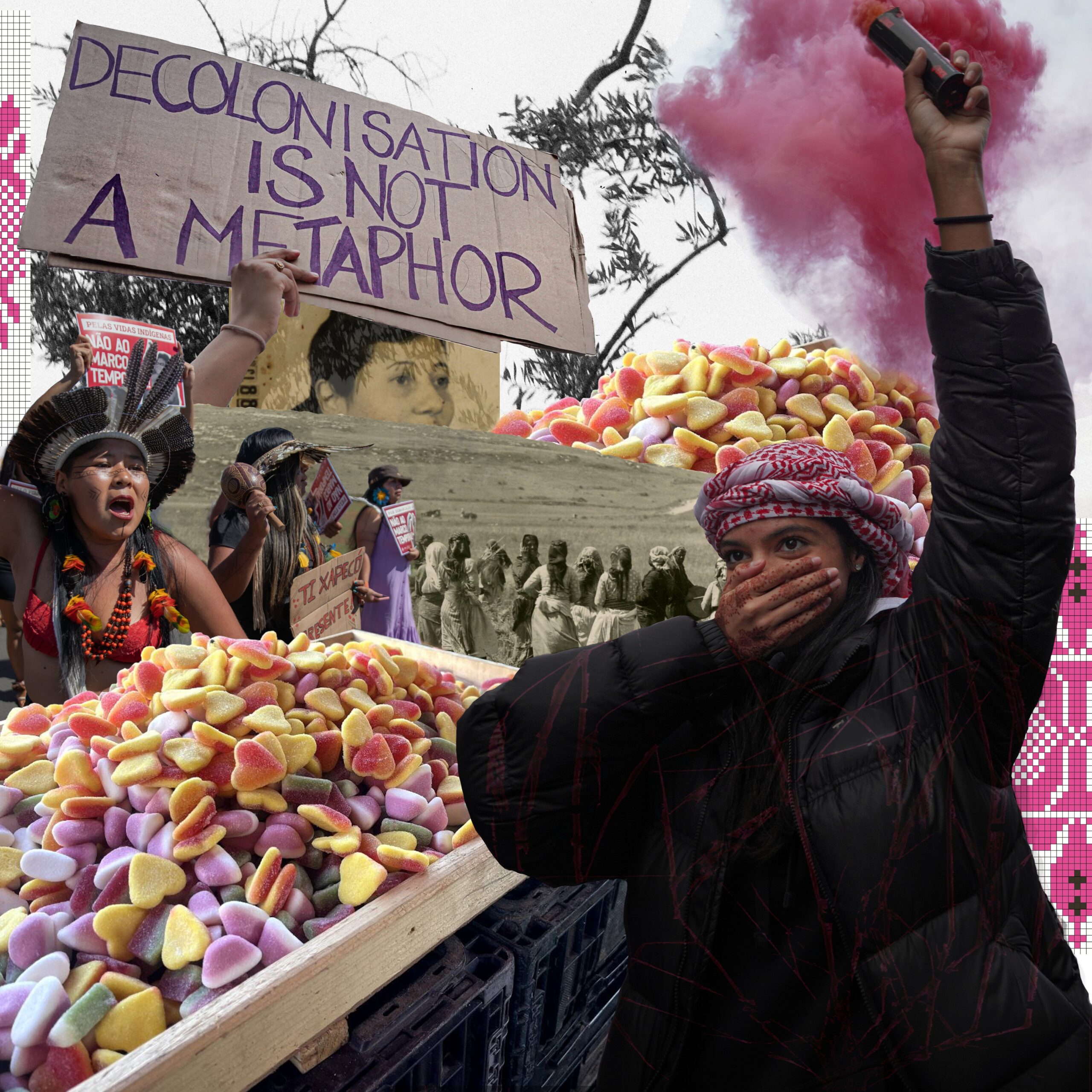
Decolonization is not a metaphor
This is a series of three digital collages that makes part of the exhibition Ríos de Libertad (Rivers of Freedom) at the Justiça Federal Cultural Center (CCJF) in Rio de Janeiro, featuring 14 artists, seven from Uruguay and seven from Brazil, and curated by Mauricio Planel.
With this series, I seek to explore what it means to celebrate 200 years of Uruguayan independence in a world where colonization is not a dark chapter that has been left behind, but rather a process that continues to unfold in many parts of the globe.
As it began its life as an independent state, the territory we now call Uruguay continued its process of internal colonization and built a white, European national identity for a country “without indigenous peoples,” based on the physical and cultural genocide of its original inhabitants.
200 years later, the country’s authorities not only fail to question that genocide or the continued existence and resistance of indigenous peoples, they are also incapable of uttering the word “genocide” to refer to the crimes against humanity currently being committed in Gaza.
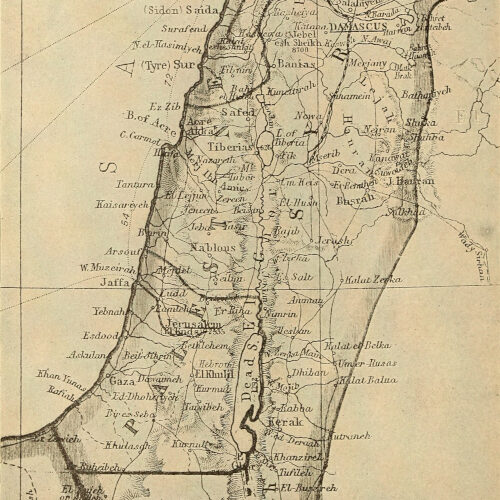
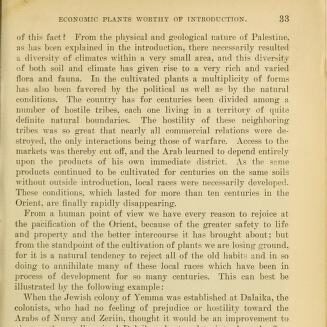
These collages are inspired by my reaction to the proposal that Uruguay could offer aid to Palestine by “training young Palestinians in the creation of startups, especially in sustainable agriculture” (sic.) in the West Bank. This declaration of good intentions, from June 2025, served to support the Uruguayan authorities’ position that there is no need to continue discussing the use of the word genocide (or to take any action consistent with it).
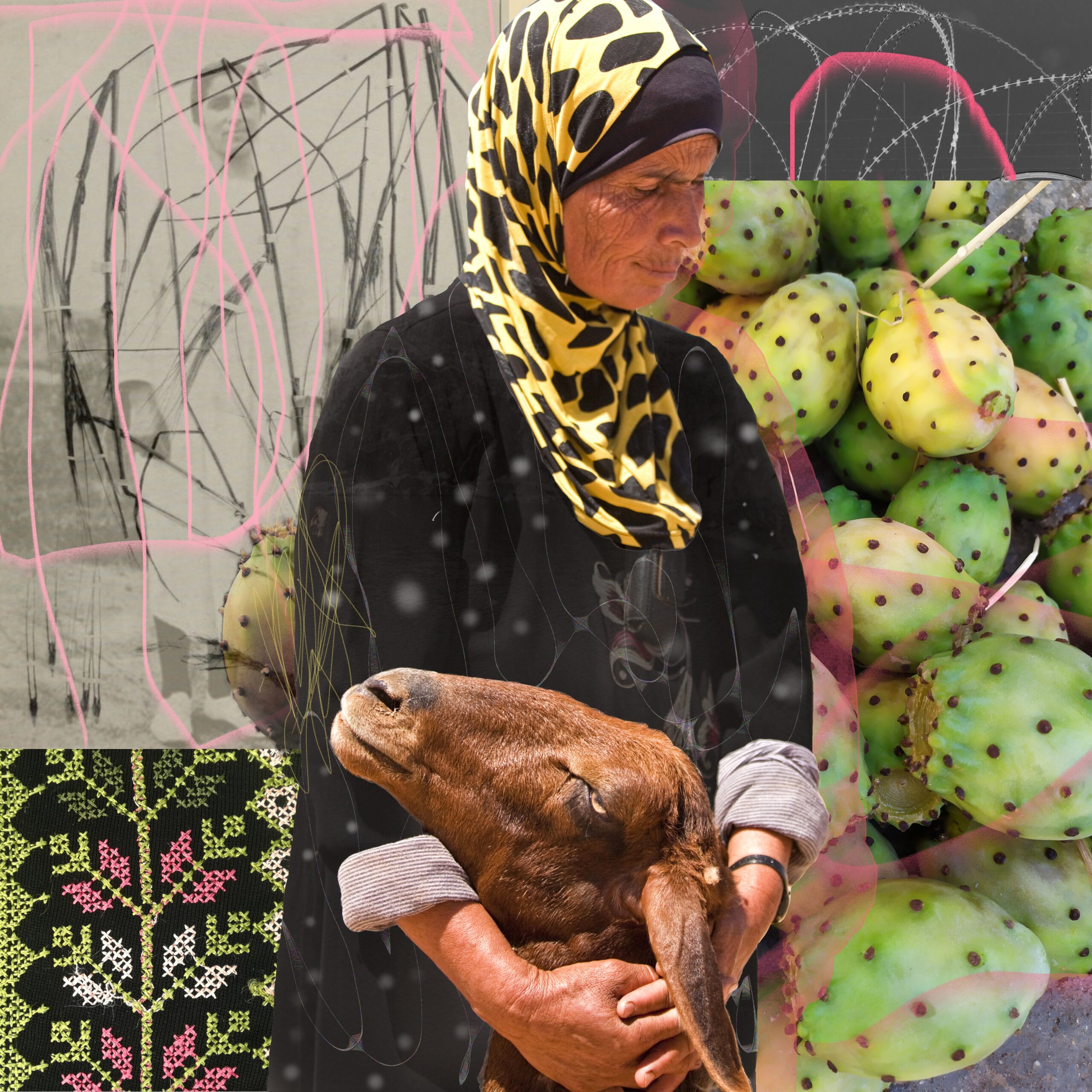
Instead of acknowledging the ongoing genocide, let alone the occupation, apartheid, and continued colonization of Palestine, this proposal for “aid” contributes to obscuring the impact of Israel’s violence and systematic dispossession.
Furthermore, it omits why Palestinian agricultural production and rural life need to be the subject of such “aid”. At the same time, it renders invisible the Palestinian people’s profound agricultural knowledge, their own sustainable solutions, and their resistance to abandoning their land.
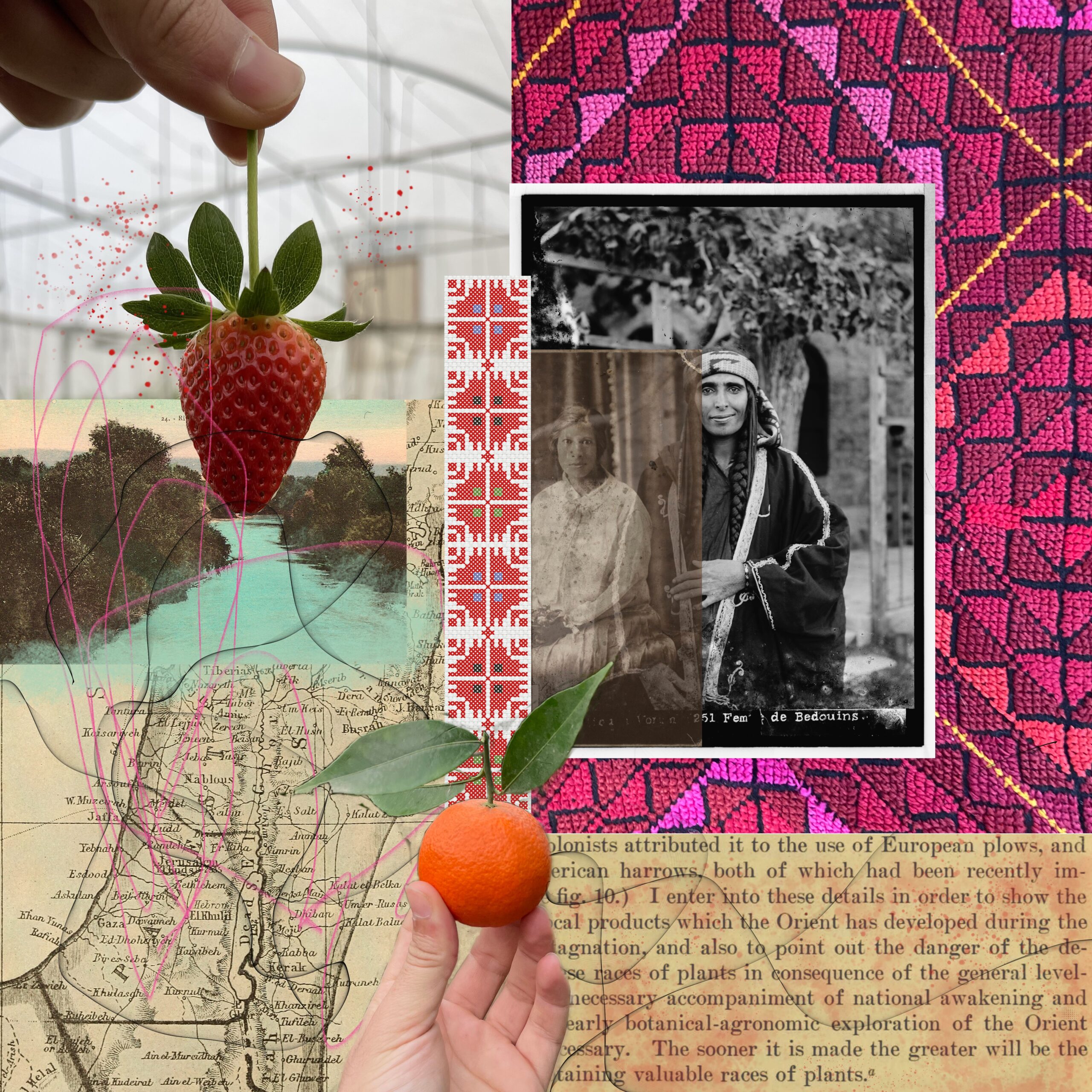
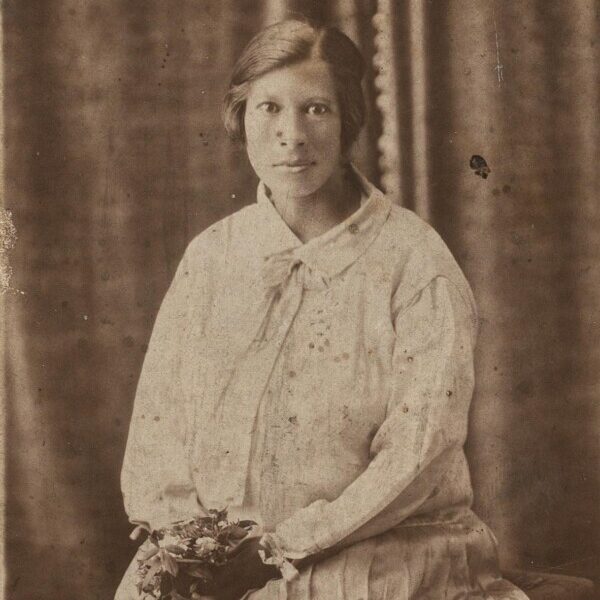
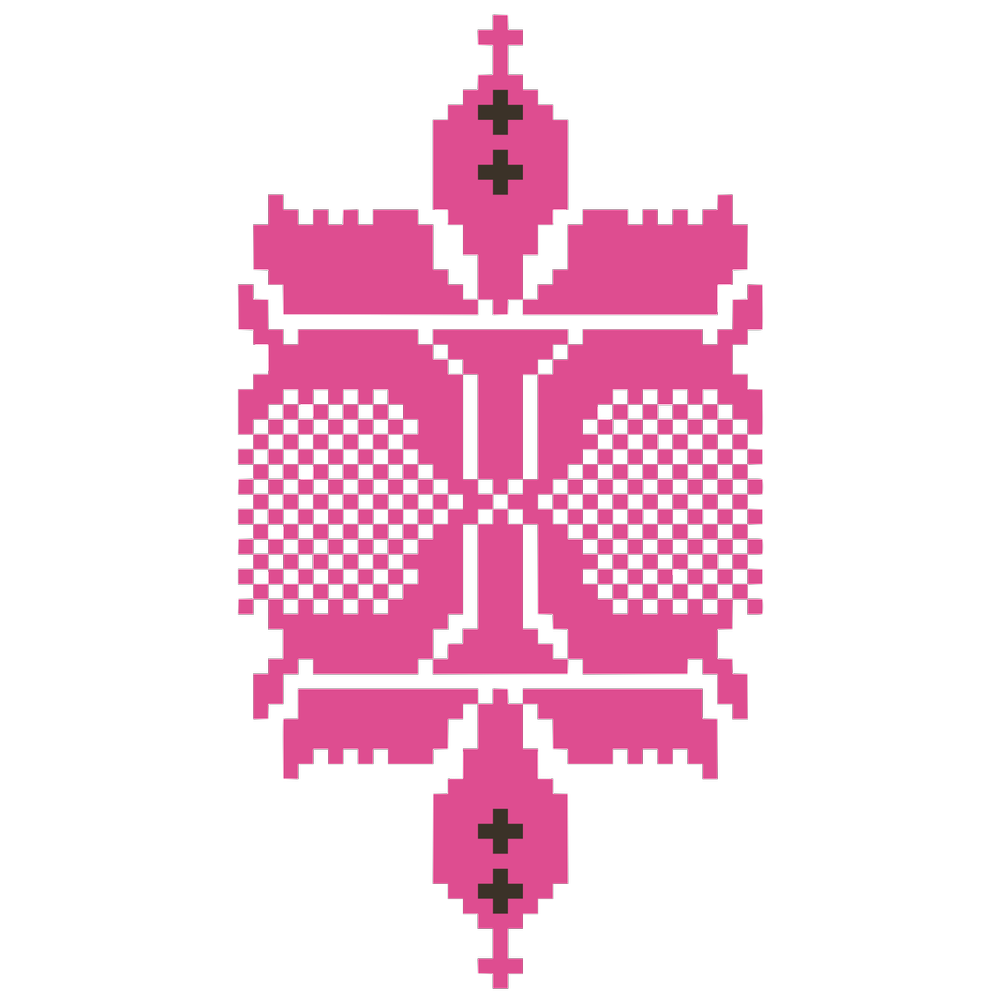
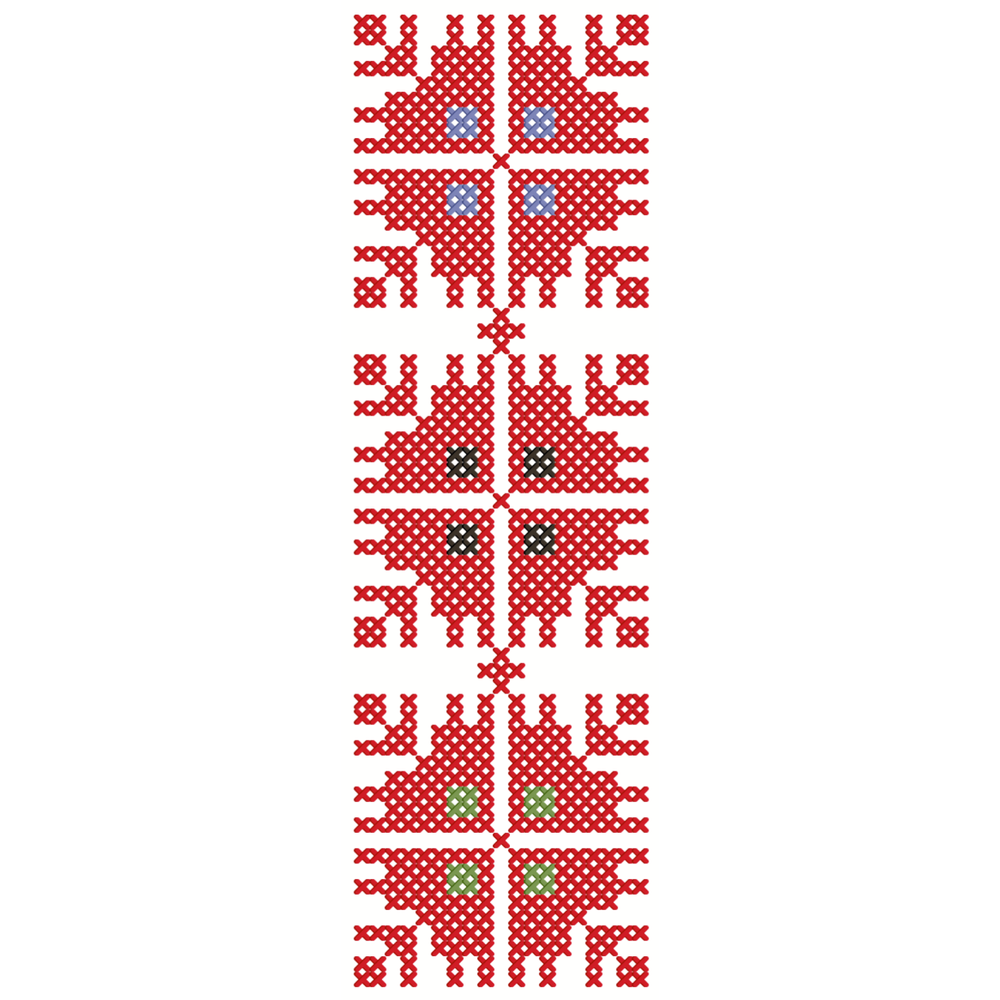
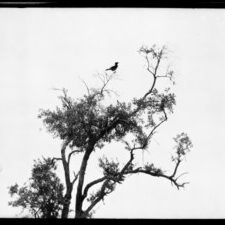
With this collage series, which is not based on words or numbers, but rather on online image research from various open-access archives (see below), I hope to highlight this well-known but continually silenced history. I am also interested in establishing connections with our own past of indigenous genocide and cultural erasure in Uruguay and the region, which is why I draw on images from the Charrúa Memory Archive and the 2023 National March of Indigenous Women in Brazil.
Two hundred years after Uruguay’s independence, we must not forget that colonialism exists and is an ongoing process, and that decolonization is not a metaphor.
Links to the images and repositories used in the collages
Charrúa Memory Archive
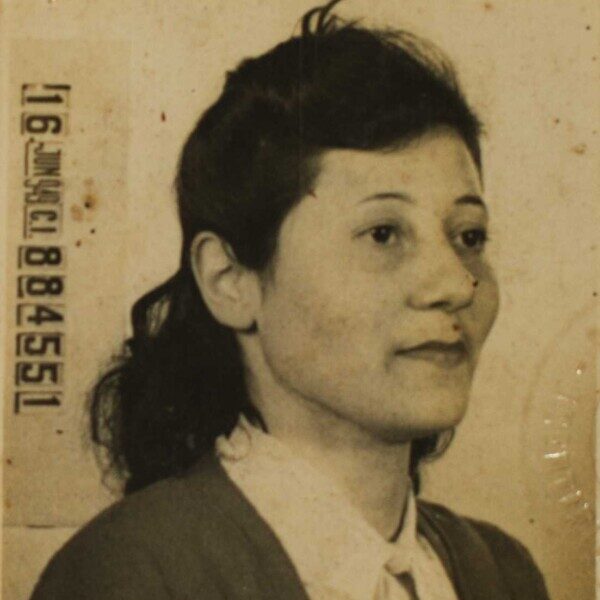
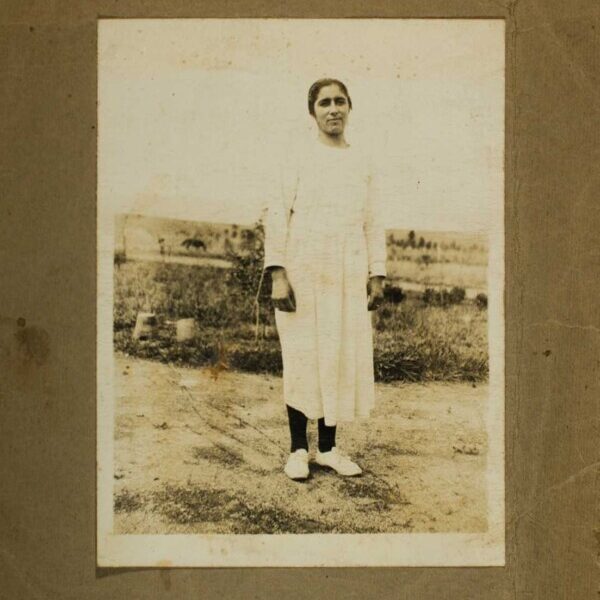
Tirazain archive of Palestinian embroidery patterns
Agricultural and botanical explorations in Palestine, de Aaron Aaronsohn (USDA files at the Internet Archive)

Wikimedia Commons


.jpg)
_(7555047194).jpg)
.jpg)



_(2).jpg)


Most images are licensed under Creative Commons or are in the public domain, but some of them do not have a clear copyright status. Click on each image to access the original file and check authorship and usage rights.
Online conversation
Mariana Fossatti and Mauricio Planel
About the exhibition Rivers of Freedom: Between the Plata and the Atlantic
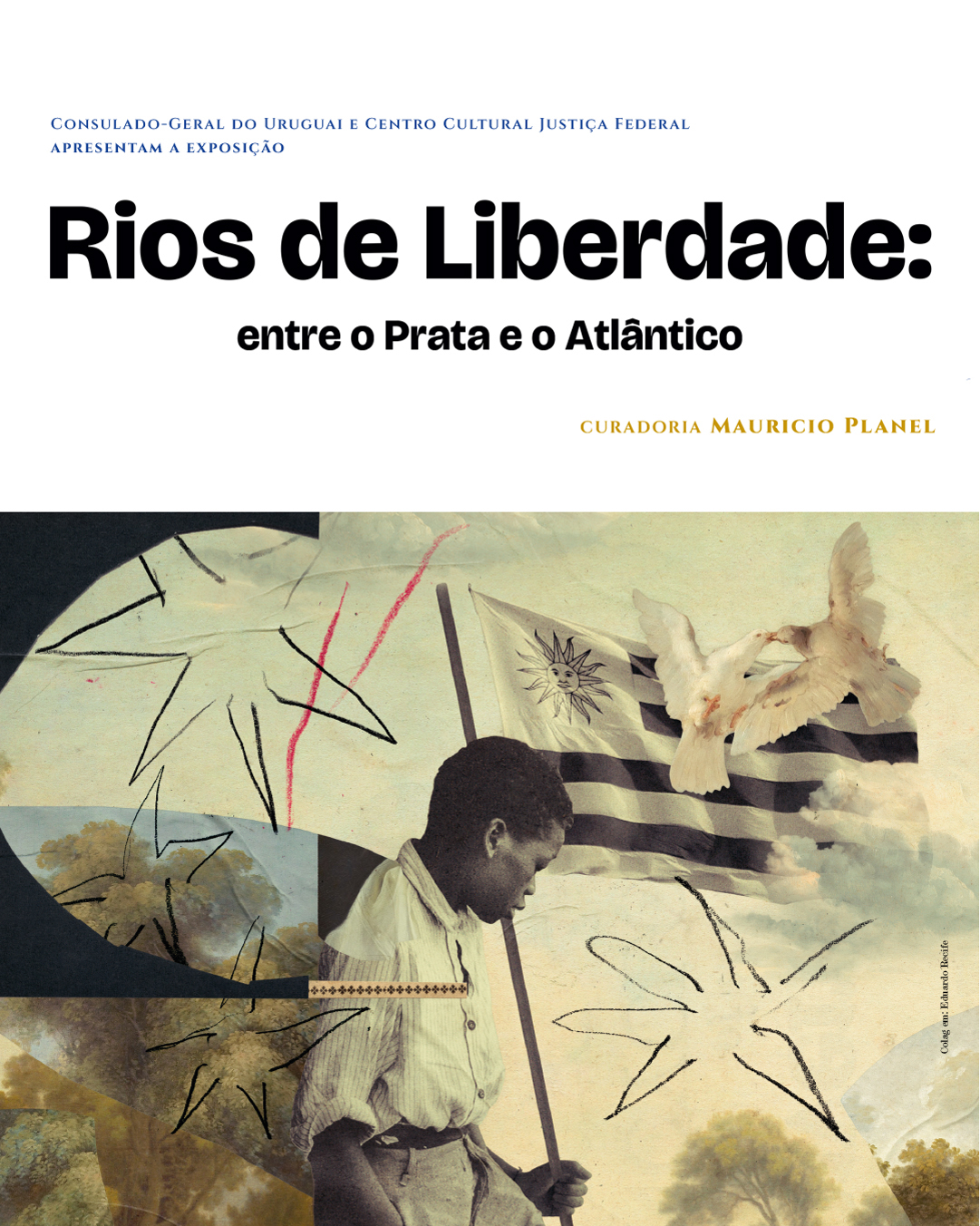
Ríos de Libertad (Rivers of Freedom) is a collage exhibition curated by artist Mauricio Planel. Taking Uruguay’s Bicentennial of Independence as its starting point, Ríos de Libertad uses this commemoration as a springboard for a plurality of ways of thinking about the historical and contemporary relations between Brazil and Uruguay, the processes of independence (and interdependence), and the environmental and territorial issues that affect them—from the Amazon to the Río de la Plata—as key elements in the construction of collective identities. With 14 artists, seven from Uruguay and seven from Brazil, each artist has worked freely with their personal materials and processes, each with their own particular way of using the poetic and political power of this artistic technique.
The exhibition is being held at the Centro Cultural Justiça Federal (CCJF) in Rio de Janeiro in partnership with the Consulate General of Uruguay in Rio de Janeiro, and is supported by the Centro de Fotografía de Montevideo, which has made its high-resolution historical archive available. It opens on December 10, 2025, and will be on view in Rio de Janeiro until February 8, 2026.
Artists
The following artists are part of this exhibition:
Adriana Maciel
Brasil
Beto Shibata
Brasil
Camila Alcântara
Brasil
Eduardo Recife
Brasil
Gabriela Kotesky
Uruguay
Gino Bidart
Uruguay
Luis Trimano
Argentina
Marcia Albuquerque
Brasil
Mariana Fossatti
Uruguay
Marta Villa Plada
Uruguay
Mauricio Planel
Brasil
Rubem Grilo
Brasil
Solange Pastorino
Uruguay
Yamandú Cuevas
Uruguay
Deja una respuesta